

Stainless Steel Crowns In Dunwoody
At Dunwoody Pediatric Dentistry, we offer stainless steel crowns in Dunwoody, GA, for children who need strong protection for damaged, weakened, or decayed baby teeth. These crowns are commonly used on back teeth because they are durable and help protect the tooth until it is ready to fall out naturally.
What Are Stainless Steel Crowns?
Stainless steel crowns are durable, pre-made dental crowns used to restore baby teeth that have been severely damaged by decay, fractures, or after certain procedures such as a pulpotomy. The crown completely covers the affected tooth, protecting it from further damage while restoring its strength, shape, and function. Because they are made from stainless steel, these crowns are highly durable and can withstand the everyday wear and tear of chewing until the baby tooth naturally falls out.
Stainless steel crowns are often recommended when a cavity is too large to be treated with a traditional dental fillings or when a tooth needs additional support to remain healthy. They are a reliable, long-lasting solution that helps preserve baby teeth, maintain proper spacing for permanent teeth, and support normal eating, speaking, and oral development. At Dunwoody Pediatric Dentistry, Dr. Luke Robert carefully evaluates each child's needs to determine whether a stainless steel crown is the most appropriate treatment for protecting their growing smile.

.png)
.png)


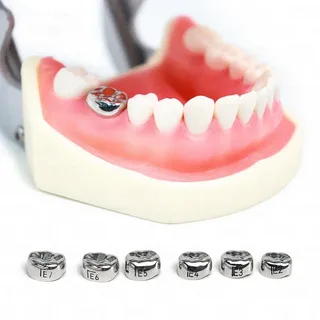
Stainless Steel Crowns for Growing Smiles
Stainless steel crowns help protect baby teeth during important growing years. They are especially useful for back teeth that need strength and coverage, allowing children to continue using the tooth while their smile continues to develop.
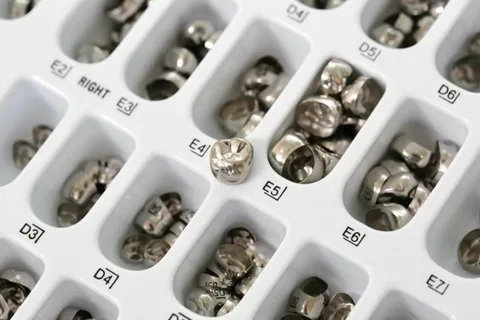
Conservative, Child Focused Recommendations
Every child’s dental needs are different. Dr. Luke Robert carefully examines the tooth and explains whether a stainless steel crown, zirconia crown, filling, or another option may be the right fit based on your child’s age, tooth condition, and comfort level.
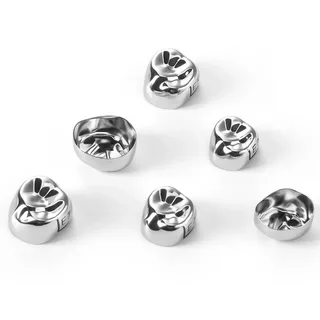
Gentle Pediatric Dental Experience
Our team understands that children may feel nervous about restorative dental treatment. We use calm communication, kid-friendly explanations, and a supportive approach to help your child feel more comfortable throughout the visit.
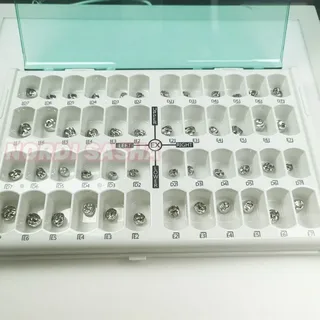
Clear Guidance for Parents
Parents are included in the treatment decision from the beginning. Our team explains why a crown may be recommended, what type of crown may work best, and how to help your child care for the crown after the appointment.
Why Choose Us for Stainless Steel Crowns?


Child Focused Crown Treatment
A pediatric dentist understands how baby teeth, growing jaws, and children’s comfort needs are different from adults. At Dunwoody Pediatric Dentistry, crown treatment is planned with your child’s tooth development, bite, comfort, and long term oral health in mind.
Strong Protection for Baby Teeth
Stainless steel crowns provide strong coverage for baby molars that need extra support. They help protect the tooth from further damage while allowing your child to continue chewing comfortably until the tooth is ready to fall out naturally.
Hall Crown Technique When Appropriate
In some cases, the Hall crown technique may be considered for a baby molar. This minimally invasive approach depends on the condition of the tooth, cavity size, bite, and your child’s needs. Learn more about the hall crown technique and how it may help treat certain cavities without traditional drilling.
Personalized Crown Recommendations
Not every child needs the same type of crown. Depending on the tooth’s location, the amount of damage, and appearance concerns, Dr. Robert may recommend a stainless steel crown, zirconia crown, filling, or another restorative treatment.

Board Certified Pediatric Dentist
Meet Dr. Luke Robert
Dr. Luke Robert is a board-certified pediatric dentist who provides gentle pediatric dental care for families in Dunwoody, GA. With advanced training in caring for infants, children, teens, and patients with diverse dental needs, he carefully evaluates each child’s oral health and recommends age-appropriate treatment options that support comfort, function, and long-term dental development.
When a child needs a stainless steel crown, Dr. Robert explains the treatment clearly to parents and recommends the option that best protects the tooth while supporting chewing function and a healthy developing smile. His approach is calm, careful, and personalized, helping children feel comfortable throughout their visit while prioritizing their oral health and overall experience.

The Benefits Of Stainless Steel Crowns
Durable Protection for Damaged Teeth
Stainless steel crowns are strong and designed to cover the full visible part of a baby tooth. They can help protect teeth with large cavities, fractures, or weakened structure when a regular filling may not provide enough long term support.
Helps Preserve Baby Teeth
Baby teeth are important placeholders for permanent teeth. A stainless steel crown can help keep a damaged baby tooth in place until it is ready to fall out naturally, supporting chewing, speech, and proper spacing for the developing smile.
Reliable Support for Chewing and Function
Back baby teeth handle a lot of chewing pressure. Stainless steel crowns are often recommended for molars because they provide reliable strength and coverage, helping children eat more comfortably while protecting the treated tooth from additional damage.
The Stainless Steel Crowns Treatment Process

Gentle Evaluation & Crown Planning
Your child’s visit begins with a careful exam of the affected tooth. Dr. Luke Robert will check the amount of decay or damage, discuss treatment options, and explain whether a stainless steel crown is recommended. Parents are guided through the plan before treatment begins.

Preparing the Tooth for Protection
During treatment, the tooth is gently prepared so the crown can fit securely. The area may be numbed to help your child stay comfortable. Dr. Robert removes damaged tooth structure when needed and shapes the tooth while keeping your child’s comfort in mind.

Placement of Stainless Steel Crown
Once the tooth is ready, the stainless steel crown is placed and adjusted for fit. The goal is to restore protection, comfort, and chewing function. Before you leave, our team will review simple care instructions for your child’s crown at home.
Final Check and Home Care Guidance
After the crown is placed, Dr. Robert will check your child’s bite and make sure the crown feels comfortable. Our team will also explain how brushing, flossing, healthy eating habits, and routine dental visits help keep the crown and surrounding teeth healthy.

Happy Patients, Happy Parents
Hear From Our Dental Family
FaQ's
Frequently Asked Questions
Check out these frequently asked questions, or call us to speak with our team.
FaQ's
Frequently Asked Questions
Check out these frequently asked questions, or call us to speak with our team.
Conveniently Located for Stainless Steel Crowns in Dunwoody, GA
Dunwoody Pediatric Dentistry is located at 5507 Chamblee Dunwoody Rd, Dunwoody, GA 30338, making our office easy to reach for families looking for stainless steel crowns in Dunwoody, GA. Our location is convenient for parents who want trusted pediatric dental care close to home, school, and nearby neighborhoods.
We welcome families from Dunwoody, Chamblee, Sandy Springs, Doraville, Brookhaven, Perimeter Center, and nearby communities. Whether your child needs a stainless steel crown, a Hall crown evaluation, or another restorative dental option, our team is here to provide gentle, child focused care.