
Can Cavities Heal on Their Own? A Parent Guide to Treatment
Finding a spot on your child’s tooth can raise an immediate question: can cavities heal on their own, or does your child need treatment? The answer depends on how far the damage has gone.
A very early weak spot may become stronger with fluoride, better brushing, and changes in eating habits. Once a true hole develops, however, the missing part cannot grow back. A dentist must examine the area to tell the difference.
Can Cavities Heal on Their Own?
A developed cavity cannot heal itself. Teeth do not replace a missing piece in the same way skin closes a small cut.
What can improve is the stage before a hole forms. The tooth’s outer surface is losing strength but remains unbroken. Saliva and fluoride can return helpful minerals and slow or stop further damage.
The National Institute of Dental and Craniofacial Research explains that fluoride can stop or reverse early tooth decay. Once the surface breaks, a dentist usually needs to repair it.
Can a Cavity Reverse?
Parents often ask, “Can a cavity reverse?” The answer depends on what is being called a cavity.
Early Tooth Weakness May Improve
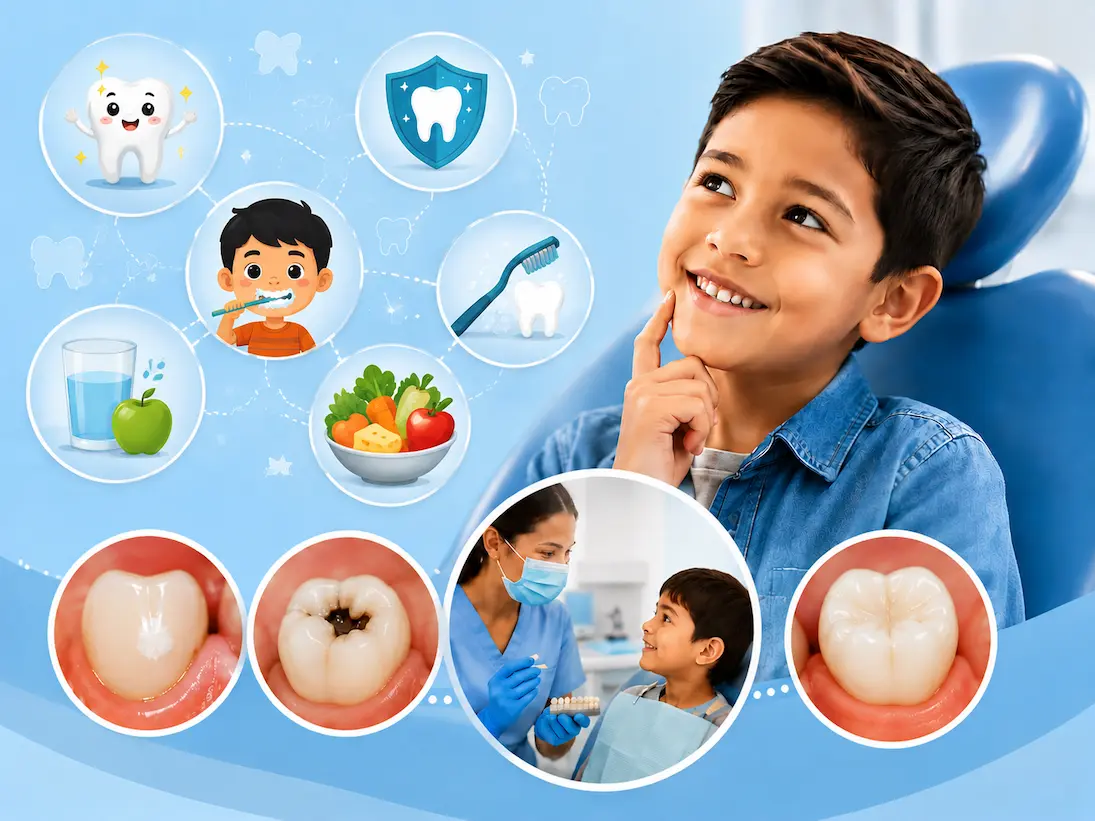
An early area may look white, chalky, or dull, but there is no open hole. Better cleaning, fluoride, fewer snack attacks, and regular dental checks may help it become stronger.
This is why early cavity treatment does not always mean a filling. Dr. Luke can check whether the surface is complete and explain whether careful monitoring is suitable.
Developed Cavities Cannot Regrow
When the surface breaks, food and bacteria can enter the opening. Brushing may keep it cleaner, but it cannot replace the missing tooth. A filling seals the opening and protects the remaining structure.
What Early Tooth Decay Looks Like
Early tooth decay may begin between teeth, inside deep grooves, or near the gumline.
Early Cavity Signs
Watch for:
- A white or chalky patch
- A dull or rough area
- New sensitivity to cold or sweet foods
- Food repeatedly catching in one place
A white mark does not always decay, and a dark mark is not always a cavity. Parents cannot judge the depth by appearance alone.
Deeper Cavity Warning Signs
A brown or black spot, visible hole, broken edge, chewing pain, swelling, or toothache may point to deeper damage. Children can also have cavities without pain, especially when the problem is small or hidden between teeth.
How Early Cavity Treatment Helps
When there is no hole, the goal is to strengthen the tooth and reduce what is feeding the damage.
Brush With Fluoride Toothpaste
Help your child brush twice daily, especially before bed. Use the amount of fluoride toothpaste recommended for your child’s age, and help reach every surface.
Reduce Frequent Sugar Exposure
How often teeth meet sugar matters. Slowly sipping juice exposes teeth longer than finishing it with a meal. Gummies, crackers, sweet cereal, sports drinks, and bedtime milk after brushing can also remain around teeth.
Clean Between Tight Teeth
A toothbrush cannot fully clean where two teeth touch. Flossing removes trapped food from places where childhood cavities often begin.
Families can use preventive dentistry for regular checks and ask about dental sealants for protecting deep grooves in suitable back teeth.
When Cavities Need Fillings
A cavity without filling may be possible only before the surface breaks or when the dentist recommends another suitable option. Once a clear hole forms, repair is commonly needed.
Small Cavities Need Protection
A pediatric dental filling removes the damaged part and seals the opening. Treating a small cavity may preserve more healthy teeth than waiting for a larger repair.
Larger Cavities Need More Support
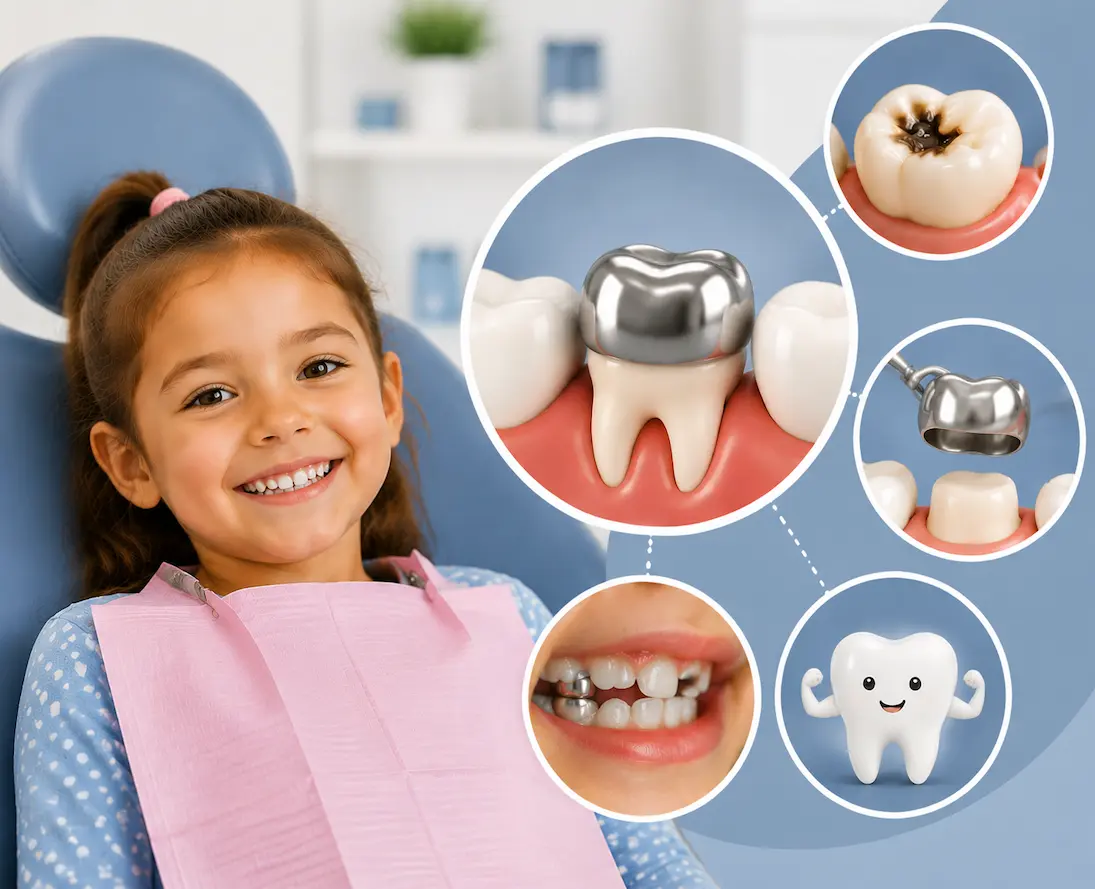
When much of a back tooth is weak, the dentist may discuss a stainless steel crown or a tooth-colored zirconia crown.
Dr. Luke helps parents compare the cavity’s size, how long the tooth should remain, and the child’s treatment needs. For selected cases, he may also discuss no-shot, no-drill dentistry when appropriate.
Why Baby Tooth Cavities Matter
Baby teeth help children chew, speak, and hold room for adult teeth. Some back baby teeth remain for years, so “it will fall out anyway” may not mean soon.
Treatment depends on the cavity’s depth, the child’s age, symptoms, and expected tooth loss. Infant dentistry can help families prevent or find early damage soon after teeth appear.
What Happens If You Wait?
A cavity may grow even when it is painless. It can weaken the tooth, disturb sleep or eating, and eventually cause swelling.
Delaying care can turn a simple filling into a larger repair or a pediatric extraction. Facial swelling, strong pain, fever, or trouble eating deserves prompt emergency dentistry.
What Parents Should Do Next
Use this simple guide:
- White or chalky spot:
Schedule an examination and ask whether early treatment can strengthen it.
- Dark, rough, or visible hole:
Arrange a visit soon, even without pain.
- Pain, swelling, broken tooth, or disturbed sleep:
Seek prompt dental care.
Keep brushing gently and do not place aspirin, oils, or homemade mixtures on the tooth. Your dentist can show parents the stage of damage and explain the least involved suitable option.
Final Thoughts
Can tooth decay be reversed? Sometimes, but only before a hole develops. A true cavity cannot heal on its own, and pain is not a reliable guide.
Early evaluation gives families more choices. Keep brushing with fluoride toothpaste, limit repeated sugar exposure, and arrange a pediatric dental visit before a small concern becomes harder to treat.
Why Choose Dunwoody Pediatric Dentistry?
Dunwoody Pediatric Dentistry helps families understand whether a tooth needs monitoring, strengthening, or repair. Dr. Luke evaluates each child’s cavity, explains the findings in clear language, and guides parents toward an age-appropriate next step. Families receive practical prevention advice and child-focused care designed around comfort, trust, and lasting healthier smiles.
Frequently Asked Questions
Can Brushing Make a Cavity Go Away?
Brushing with fluoride toothpaste can strengthen an early weak spot before a hole forms. It cannot close a developed cavity. A dental examination can confirm whether home care and monitoring are enough or a filling is needed.
Can a Painless Cavity Wait?
A painless cavity can still grow because early tooth decay often causes no symptoms. Waiting without an examination may allow a small problem to become deeper. Ask a pediatric dentist how soon treatment is needed for that specific tooth.
Does Every Baby Tooth Cavity Need a Filling?
Not every baby tooth cavity receives the same treatment. The decision depends on its depth, the tooth’s remaining time, pain, and the child’s needs. A dentist may monitor, strengthen, fill, cover, or remove the tooth.
Can Fluoride Replace a Filling?
Fluoride may stop or reverse early tooth decay while the tooth surface is still unbroken. It cannot rebuild a hole or missing tooth structure. Once a true cavity forms, the dentist will recommend the most suitable repair.
What If My Child Is Afraid of a Filling?
Tell the pediatric dentist about your child’s fears before the visit. The team can explain each step in child-friendly words and discuss suitable comfort options. Delaying care may allow the cavity to require a longer procedure.
FaQ's
Frequently Asked Questions
Related Posts

Cavities Without Drilling: Which Children May Be Candidates?

Stainless Steel vs Zirconia Crowns: What Parents Should Know
Crown on Baby Tooth: Why It May Be Needed Before Falling Out
