

Child Filling Fell Out: What to Do Before Seeing the Dentist
A missing filling can alarm both a child and parent. When a child filling fell out, stay calm, rinse the mouth, keep the tooth clean, and stop your child from chewing on that side.
Call the dentist even if there is no pain. The opening can trap food, become sensitive, or lose more tooth. Here is what to do before the appointment and when faster help is needed.
What To Do When Your Child’s Filling Falls Out
Rinse And Check The Tooth
Have your child gently rinse with warm or room-temperature water. Look for a hole, bleeding, a sharp edge, looseness, or a crack. Do not scrape the opening with a fingernail or toothpick.
If you easily find the fallen piece, place it in a small container. It may help the dentist tell whether it is filling material or part of the tooth. Never glue it back or press it into the opening.
Keep The Tooth Clean
Brush slowly around the tooth with a soft toothbrush. Let your child rinse with water after meals so food does not remain in the opening. Floss nearby teeth carefully without forcing floss into the space.
Cleaning cannot replace the filling, but it helps protect the area until your child receives dental filling care.
Protect The Tooth While Eating
Have your child chew on the opposite side. Offer scrambled eggs, yogurt, pasta, mashed potatoes, soft rice, applesauce, or warm soup.
Avoid ice, hard candy, popcorn kernels, nuts, chewy sweets, crunchy chips, and sticky food. Very hot, cold, or sugary items may also cause discomfort.
Call The Dentist
Tell the office when the filling came out and whether your child has pain, swelling, bleeding, looseness, or a broken edge. Mention any recent hit to the mouth.
Dr. Luke can use these details to guide parents and arrange the right visit. After hours, leave a message and follow the office instructions unless urgent warning signs appear.
When A Lost Filling Needs Urgent Care
A pediatric filling that fell out without pain can usually be handled by calling the dental office promptly. Your child may be able to wait for the arranged visit when there is only a small opening, mild sensitivity, or a rough edge.
Seek urgent help for severe or increasing pain, facial swelling, fever, bleeding that will not stop, trouble opening the mouth, or damage caused by an injury. Trouble breathing or swallowing needs immediate emergency help.
The American Academy of Pediatric Dentistry emergency guidance explains why pain, swelling, bleeding, and injuries need timely attention. Dunwoody families can also review pediatric emergency care.
Did The Filling Or Tooth Break?
Filling material may be tooth-colored, white, or silver. A natural tooth piece may look uneven and match the tooth around the opening. Parents often cannot tell the difference by looking.
Save any loose piece that is easy to collect, but do not delay care while searching. A dentist must check whether the dental filling fell out of the child’s tooth or part of the tooth broke too.
Why Do Children’s Fillings Fall Out?
A filling may loosen from chewing, hard or sticky food, teeth grinding, or a hit during play. It may also fail when the original damaged area was large or more damage developed around it.
In a baby tooth, the filling may loosen as the tooth gets ready to fall out naturally. A new filling can also come out, but that does not prove anyone did something wrong. An examination is needed to find the likely cause.
What Will The Dentist Do Next?
Check The Tooth
The dentist checks the opening, looks for cracks, and sees how much strong tooth remains. Dr. Luke also considers pain, the child’s age, whether it is a baby or permanent tooth, and how close a baby tooth is to falling out.
Choose The Right Repair
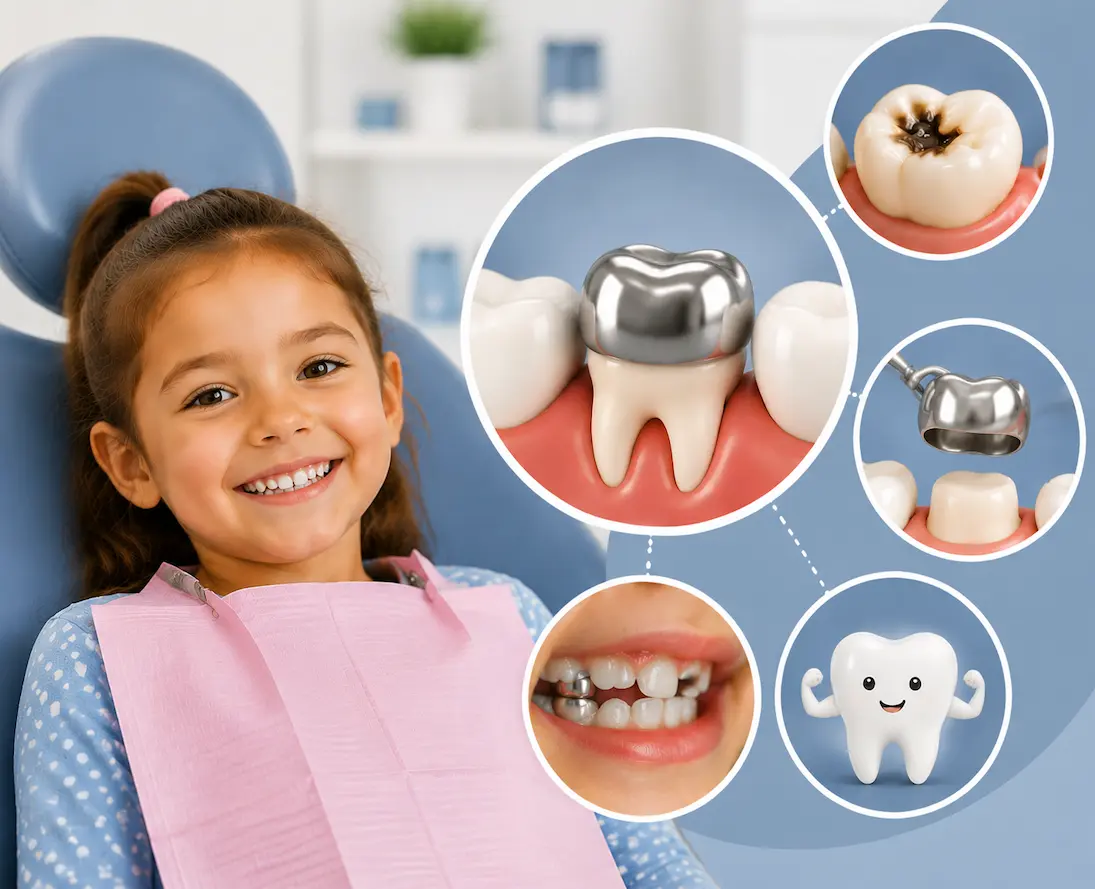
A small area may need another filling. A weaker tooth may need a stronger cover. Depending on the damage, the dentist may recommend another filling or a stronger option, such as a pediatric dental crown, to protect the remaining tooth.
If a baby tooth is already loose, the plan may be different. The goal is to keep the child comfortable and protect the tooth while it is still needed.
How Long Do Fillings Last In Kids?
There is no guaranteed number of years. How long fillings last in kids depends on filling size, tooth location, chewing pressure, food habits, brushing, teeth grinding, and whether it is a baby or permanent tooth.
A small filling may last for years, while a large filling on a back tooth may wear sooner. Regular checks can find looseness before it fully comes out.
How Can Another Broken Filling Be Prevented?
Help your child brush twice daily and floss around filled teeth. Limit sticky sweets, frequent sugary snacks, ice chewing, hard candy, and biting pencils or toys. Ask the dentist about grinding if you hear it at night.
A sports mouthguard can reduce injury risk. Routine preventive dental care for children also lets the dentist check older fillings and spot changes early.
Protect The Tooth Until The Dental Visit
When your child’s filling falls out, rinse the mouth, clean gently, offer soft foods, avoid chewing on the tooth, and call the dentist. Watch for increasing pain, swelling, fever, bleeding, or trouble swallowing. Prompt guidance can stop a manageable broken filling in a child from becoming a larger problem.
Why Choose Dunwoody Pediatric Dentistry?
Dunwoody Pediatric Dentistry provides child-focused help for lost fillings, broken teeth, and unexpected pain. Dr. Luke carefully checks what happened, explains the options in clear language, and guides parents through the next step. Care is planned around the tooth’s condition, the child’s comfort, and the need for reliable lasting protection.
Frequently Asked Questions
Is It An Emergency If My Child’s Filling Falls Out?
A lost filling is not always an emergency, but call the dentist promptly. Seek urgent help for severe pain, facial swelling, fever, uncontrolled bleeding, trouble swallowing, or damage caused by a fall or hit.
How Long Can My Child Wait Before Seeing The Dentist?
Contact the dentist the same day or next open business day for guidance. Timing depends on pain, swelling, tooth damage, and whether it is a baby or permanent tooth. Do not wait for pain before arranging a check.
What Can My Child Eat After A Filling Falls Out?
Offer eggs, yogurt, pasta, mashed potatoes, soft rice, or applesauce. Have your child chew on the opposite side and avoid hard, sticky, crunchy, sugary, very hot, or very cold foods until the tooth is checked.
Can I Use A Temporary Filling Kit For My Child?
Do not place temporary filling material, glue, gum, or another substance into the tooth unless the dentist recommends it. The opening may be deeper than it looks, and loose material can break away or be swallowed.
Does A Baby Tooth Filling Always Need Replacement?
Not always. The dentist considers how loose the baby tooth is, when it should fall out, whether your child has pain, and how much healthy tooth remains. Some teeth need repair, while others need a different plan.
FaQ's
Frequently Asked Questions
Related Posts

Cavities Without Drilling: Which Children May Be Candidates?

Stainless Steel vs Zirconia Crowns: What Parents Should Know
Crown on Baby Tooth: Why It May Be Needed Before Falling Out
